
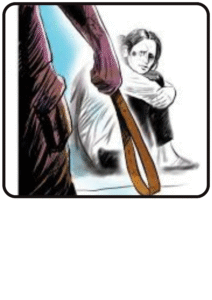
Crimes and Provision related to Women in India
Here we will describe about the notes of Crimes and Provision related to Women in India in detail .
Meaning and Nature
Crimes related to women are acts of violence or exploitation directed at women, which can occur within or outside the home. Such crimes stem from deep-rooted gender inequality, social stereotypes, and power imbalances between men and women. These acts can be physical, mental, sexual, or emotional in nature.
Major Types of Crimes Against Women
Domestic Violence
This includes physical assault, emotional abuse, economic deprivation, or any form of coercion within a household. It often arises from unequal power dynamics in families and results in long-term trauma for victims.
Dowry-Related Violence
Women are sometimes harassed, tortured, or even killed due to disputes over dowry demands before or after marriage. This is one of the most prevalent social evils affecting women’s safety.
Sexual Harassment and Assault
This includes any unwelcome physical or verbal behavior of a sexual nature at workplaces, educational institutions, public spaces, or elsewhere. It causes mental stress and restricts women’s participation in social and professional life.
Rape and Sexual Violence
Rape is one of the most severe crimes against women, involving forced sexual intercourse without consent. It causes not only physical harm but also deep emotional and psychological trauma.
Human Trafficking
Many women and girls are trafficked for forced labor, prostitution, or illegal trade. Trafficking deprives them of their basic rights and exposes them to exploitation and abuse.
Acid Attacks
Some women become victims of acid attacks as an act of revenge or rejection. These attacks cause permanent physical disfigurement and lifelong emotional pain.
Eve-Teasing and Public Harassment
Street harassment, teasing, stalking, and passing obscene comments are common crimes that make public spaces unsafe for women.
Forced Marriages and Honour Crimes
In certain cases, women are forced into marriage or punished for marrying against family wishes, leading to threats or even killings in the name of family honour.
Cyber Crimes Against Women
With growing internet use, women face online harassment, stalking, blackmail through photos or videos, and other digital forms of abuse.
3. Causes of Crimes Against Women
Gender discrimination and patriarchal mindset.
Lack of education and awareness about women’s rights.
Economic dependency on male family members.
Weak social support systems and delayed justice.
Cultural beliefs that normalize violence against women.
4. Impact of Crimes Against Women
Psychological trauma and loss of confidence
Social isolation and stigma in society.
Economic hardships, especially for survivors of domestic or sexual violence.
Fear and insecurity, limiting women’s mobility and independence.
Negative effect on children and families who witness or experience violence.
5. Measures to Prevent Crimes Against Women
Spreading awareness and education on women’s rights and gender equality.
Strengthening law enforcement and ensuring quick justice.
Establishing women helplines, counselling centres, and safe shelters.
Promoting women empowerment through employment and education.
Encouraging social change and respect for women in families and communities.
Here we will describe about the notes of Crimes and Provision related to Women in India in detail .
Provisions Related to Crimes Against Women
1. Constitutional Provisions
The Constitution of India guarantees several rights and protections for women. These form the foundation of all laws made for their safety and empowerment.
a. Article 14 – Equality before Law
This ensures that women are equal to men before the law and must receive equal protection from the state.
b. Article 15 – Prohibition of Discrimination
This article prohibits discrimination on the basis of sex, religion, race, caste, or place of birth. It also allows the state to make special provisions for women and children.
c. Article 16 – Equal Opportunity in Employment
Guarantees equal opportunity to all citizens, including women, in matters of public employment.
d. Article 21 – Right to Life and Personal Liberty
Protects a woman’s right to live with dignity and personal freedom. This article forms the basis for protection against violence, sexual harassment, and exploitation.
e. Directive Principles of State Policy
These encourage the government to ensure that men and women have equal rights and opportunities in all spheres of life, including work and education.
2. Legal Provisions under Various Acts
Several laws and acts have been framed in India to specifically address crimes against women. Here are the main ones:
a. Indian Penal Code (IPC), 1860
The IPC includes various provisions to deal with crimes like assault, rape, dowry deaths, and cruelty against women. It defines offences such as:
-
Assault and sexual harassment
-
Kidnapping and trafficking of women
-
Cruelty by husband or relatives
-
Acid attacks
-
Outraging the modesty of women
Love how you make everyone feel welcome and valued in this wonderful space
Thanks for consistently showing up with content that matters to real human beings
Gotta say, jili56 is pretty solid. Been playing for a bit and I’m enjoying the variety of games. Check it out if you’re bored! Explore here: jili56
Tai88vin.clup’s where the cool cats are playing! If you love the thrill of risk and reward, this is top tier. Check them out: tai88vin.clup