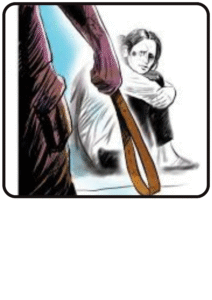
Crimes and Provision related to Women in India

Crimes and Provision related to Women in India

Here we will describe about the notes of Crimes and Provision related to Women in India in detail .


Meaning and Nature


Crimes related to women are acts of violence or exploitation directed at women, which can occur within or outside the home. Such crimes stem from deep-rooted gender inequality, social stereotypes, and power imbalances between men and women. These acts can be physical, mental, sexual, or emotional in nature.

Major Types of Crimes Against Women

Domestic Violence


This includes physical assault, emotional abuse, economic deprivation, or any form of coercion within a household. It often arises from unequal power dynamics in families and results in long-term trauma for victims.

Dowry-Related Violence


Women are sometimes harassed, tortured, or even killed due to disputes over dowry demands before or after marriage. This is one of the most prevalent social evils affecting women’s safety.

Sexual Harassment and Assault


This includes any unwelcome physical or verbal behavior of a sexual nature at workplaces, educational institutions, public spaces, or elsewhere. It causes mental stress and restricts women’s participation in social and professional life.

Rape and Sexual Violence


Rape is one of the most severe crimes against women, involving forced sexual intercourse without consent. It causes not only physical harm but also deep emotional and psychological trauma.

 Human Trafficking


Many women and girls are trafficked for forced labor, prostitution, or illegal trade. Trafficking deprives them of their basic rights and exposes them to exploitation and abuse.

 Acid Attacks


Some women become victims of acid attacks as an act of revenge or rejection. These attacks cause permanent physical disfigurement and lifelong emotional pain.

 Eve-Teasing and Public Harassment


Street harassment, teasing, stalking, and passing obscene comments are common crimes that make public spaces unsafe for women.

 Forced Marriages and Honour Crimes


In certain cases, women are forced into marriage or punished for marrying against family wishes, leading to threats or even killings in the name of family honour.

 Cyber Crimes Against Women


With growing internet use, women face online harassment, stalking, blackmail through photos or videos, and other digital forms of abuse.

3. Causes of Crimes Against Women

Gender discrimination and patriarchal mindset.


Lack of education and awareness about women’s rights.


Economic dependency on male family members.


Weak social support systems and delayed justice.


Cultural beliefs that normalize violence against women.

4. Impact of Crimes Against Women

Psychological trauma and loss of confidence

Social isolation and stigma in society.


Economic hardships, especially for survivors of domestic or sexual violence.


Fear and insecurity, limiting women’s mobility and independence.


Negative effect on children and families who witness or experience violence.

5. Measures to Prevent Crimes Against Women

Spreading awareness and education on women’s rights and gender equality.

Strengthening law enforcement and ensuring quick justice.

Establishing women helplines, counselling centres, and safe shelters.

Promoting women empowerment through employment and education.

Encouraging social change and respect for women in families and communities.


Provisions Related to Crimes Against Women


1. Constitutional Provisions

The Constitution of India guarantees several rights and protections for women. These form the foundation of all laws made for their safety and empowerment.

a. Article 14 – Equality before Law

This ensures that women are equal to men before the law and must receive equal protection from the state.

b. Article 15 – Prohibition of Discrimination

This article prohibits discrimination on the basis of sex, religion, race, caste, or place of birth. It also allows the state to make special provisions for women and children.

c. Article 16 – Equal Opportunity in Employment

Guarantees equal opportunity to all citizens, including women, in matters of public employment.

d. Article 21 – Right to Life and Personal Liberty

Protects a woman’s right to live with dignity and personal freedom. This article forms the basis for protection against violence, sexual harassment, and exploitation.

e. Directive Principles of State Policy

These encourage the government to ensure that men and women have equal rights and opportunities in all spheres of life, including work and education.

2. Legal Provisions under Various Acts

Several laws and acts have been framed in India to specifically address crimes against women. Here are the main ones:

a. Indian Penal Code (IPC), 1860

The IPC includes various provisions to deal with crimes like assault, rape, dowry deaths, and cruelty against women. It defines offences such as:

  • Assault and sexual harassment

  • Kidnapping and trafficking of women

  • Cruelty by husband or relatives

  • Acid attacks

  • Outraging the modesty of women

b. Dowry Prohibition Act, 1961

This Act prohibits giving, taking, or demanding dowry before, during, or after marriage. It aims to prevent harassment or death related to dowry disputes.

c. Protection of Women from Domestic Violence Act, 2005

This is one of the most important laws protecting women from physical, emotional, sexual, and economic abuse within homes. It allows women to seek protection orders, residence rights, and monetary relief.

d. Sexual Harassment of Women at Workplace (Prevention, Prohibition and Redressal) Act, 2013

This law ensures a safe working environment for women. It requires every workplace (public or private) to set up an Internal Complaints Committee (ICC) to deal with complaints of sexual harassment.

e. Immoral Traffic (Prevention) Act, 1956

This Act targets human trafficking, especially the trafficking of women and girls for prostitution or other forms of sexual exploitation.

f. Indecent Representation of Women (Prohibition) Act, 1986

This law prohibits indecent portrayal of women in advertisements, publications, writings, paintings, or through electronic media, ensuring respect and dignity for women in public media.

g. Pre-Conception and Pre-Natal Diagnostic Techniques (PCPNDT) Act, 1994

This Act prohibits sex selection and female foeticide. It aims to stop the misuse of medical techniques for determining the sex of a fetes.

h. Prohibition of Child Marriage Act, 2006

This law declares marriage below 18 years for girls as illegal. It protects minor girls from being forced into early marriages that affect their health and education.

i. Maternity Benefit Act, 1961

This Act provides paid maternity leave and job protection to women during and after pregnancy, ensuring their physical and mental well-being.

j. The Criminal Law (Amendment) Acts

Several amendments (especially those in 2013 and 2018) strengthened punishments and broadened definitions for crimes like rape, stalking, voyeurism, and acid attacks, following national concern over women’s safety.

3. Special Institutional and Legal Mechanisms

To support implementation of these provisions, India has established several institutions and mechanisms:


National Commission for Women (NCW) – To monitor and protect women’s rights and address complaints.


Women Helpline Numbers (181) – For immediate help in distress situations.


One Stop Centres (OSCs) – Provide medical, legal, and psychological support to women facing violence.


Fast Track Courts – For speedy trial of sexual assault and rape cases.

4. Objective of These Provisions

To protect women from physical, emotional, sexual, and economic harm.


To promote gender equality and empower women.


To provide justice and rehabilitation to victims of crime.


To deter offenders and prevent gender-based violence in society.


Landmark Case Studies on Crimes Against Women in India


1. State of Punjab v. Gurmit Singh (1996) 2 SCC 384


Bench Composition

Justice Dr. A.S. Anand, Justice Faizan Uddin, Justice K. Venkata swami

Background

This landmark case deals with the credibility of the prosecutrix in rape cases and the standard of evidence required for conviction.

Facts of the Case

 Three men were accused of raping a young girl. While the trial court convicted them, the High Court acquitted the accused due to perceived inconsistencies in the victim’s statement. The State appealed to the Supreme Court.

Legal Issues

  • Can the testimony of a prosecutrix alone be sufficient to convict in rape cases?

  • Do minor inconsistencies in the statement affect credibility?

Arguments Presented

  • Prosecution: The victim’s testimony was consistent and corroborated by medical evidence.

  • Defense: Alleged contradictions and delay in filing FIR raised doubts.

Judgment

The Supreme Court restored the conviction, holding that if the victim’s testimony is trustworthy, corroboration is not necessary.

Ratio Decidendi

 The testimony of a rape victim is credible and sufficient for conviction if consistent and reliable.

Relevant Statutes

Sections 376 IPC, Section 114-A, Indian Evidence Act.

Impact

 Established a precedent that courts must give due weight to the testimony of women in sexual assault cases.

2. Bachpan Bachao Andolan v. Union of India (2011) 5 SCC 1

Bench Composition

Justice A.K. Patnaik, Justice Gyan Sudha Mishra

Background

 Addressed child sexual abuse and the responsibility of the state under the Juvenile Justice Act.

Facts of the Case

 A PIL was filed highlighting the prevalence of child sexual abuse and the inefficacy of legal protection for minors.

Legal Issues

  • Are the existing laws sufficient to prevent child sexual abuse?

  • What obligations does the State have to protect children?

Arguments Presented

  • Petitioners: Argued for stricter enforcement of laws and child-friendly procedures.

  • Respondent: Claimed current laws were adequate but under implementation.

Judgment

 The Supreme Court directed stricter enforcement, creation of child protection units, and fast-track courts for child sexual abuse cases.

Ratio Decidendi

 State has a constitutional obligation to protect children from sexual abuse under Articles 21 and 15.

Relevant Statutes

 Juvenile Justice (Care and Protection of Children) Act, POCSO Act.

Impact

Strengthened the legal framework for child sexual abuse prevention in India.

3. R. v. State of Maharashtra (2010) 5 SCC 175


Bench Composition

Justice P. Sathasivam, Justice A.K. Patnaik

Background

Custodial rape and accountability of police officers.


Facts of the Case

 A woman was raped in police custody. The trial court convicted the accused officers, which was challenged in the High Court.


Legal Issues

  • How should custodial rape be prosecuted?

  • Is police accountability ensured under existing laws?

Arguments Presented


  • Prosecution: Emphasized the violation of constitutional rights and evidence of custodial breach.

  • Defense: Denied charges citing lack of direct evidence.

Judgment

Supreme Court upheld convictions and emphasized strict punishment and accountability of custodial authorities.

Ratio Decidendi

Custodial rape is a severe violation of Article 21; accountability of state officials is paramount.


Relevant Statutes

Sections 376, 166 IPC; Articles 21, 14 Constitution of India.

Impact

Reinforced the principle of custodial accountability and safety of women in custody.


4. Tukaram S. Dighole v. State of Maharashtra (2010) 4 SCC 329


Bench Composition

Justice A.K. Ganguly, Justice R.V. Raveendran


Background

Rape conviction based on circumstantial evidence.


Facts of the Case

Accused was charged with rape; direct evidence was limited, and prosecution relied on circumstantial evidence.


Legal Issues

  • Can circumstantial evidence be sufficient for rape conviction?

  • What standard of proof applies?

Arguments Presented

  • Prosecution: Argued that circumstantial evidence was consistent and excluded other hypotheses.

  • Defense: Claimed evidence was not conclusive.

Judgment

Supreme Court upheld conviction, noting that circumstantial evidence can be sufficient if it is complete and consistent.


Ratio Decidendi

Circumstantial evidence, if unbroken and pointing only to the accused, can justify conviction.


Relevant Statutes

Section 376 IPC.


Impact

Strengthened the approach to convictions in absence of direct testimony.


5. Union of India v. Delhi Domestic Workers Union (2012) 8 SCC 123


Bench Composition: Justice R.M. Lodha, Justice Kurian Joseph


Background: Sexual assault and harassment in domestic workplaces.


Facts of the Case: Domestic workers reported incidents of sexual assault; unions filed a case demanding legal recognition and protections.


Legal Issues:

  • Are domestic workers protected under sexual assault laws?

  • What remedies exist for workplace harassment at home?

Arguments Presented:

  • Petitioners: Argued for inclusion under protective labor and criminal laws.

  • Respondent: Claimed existing laws were applicable but enforcement was limited.

Judgment: Supreme Court emphasized that domestic workers are entitled to protection under IPC and labor laws, and directed state action for awareness and enforcement.


Ratio Decidendi:

Workplace protection and criminal liability extend to domestic settings; legal remedies apply.

Relevant Statutes:

Sections 354, 376 IPC; Labor Rights Acts.


Impact:

Recognized legal protection for domestic workers against sexual harassment and assault.

6. Savitri v. State of UP (2000) 3 SCC 456


Bench Composition

Justice A.P. Shah, Justice S. Radhakrishnan.


Background

Dowry harassment and cruelty faced by married women under Section 498A IPC.


Facts of the Case

Savitri faced harassment by her husband and in-laws demanding dowry. She filed a complaint which led to legal proceedings in lower courts.


Legal Issues

  • Does harassment for dowry constitute cruelty under Section 498A IPC?

  • What is the standard of proof for dowry harassment?

Arguments Presented

  • Petitioner: Claimed persistent harassment and mental torture demanding dowry.

  • Defense: Argued allegations were fabricated and lacked evidence.

Judgment

The Supreme Court upheld the conviction of the husband and in-laws, affirming that mental and physical harassment for dowry is a punishable offense.


Ratio Decidendi

Dowry harassment, whether mental or physical, is cruelty under Section 498A IPC.


Relevant Statutes:

Section 498A IPC, Dowry Prohibition Act 1961.


Impact: Strengthened the legal protection of women against dowry-related harassment and clarified standards of proof.


7. State of Kerala v. Sreeja (2003) 7 SCC 512


Bench Composition: Justice M. K. Sharma, Justice R.P. Agarwal


Background: Domestic violence and protection under the Protection of Women from Domestic Violence Act 2005.


Facts of the Case: Sreeja approached the court alleging repeated domestic abuse from her husband. The lower courts provided temporary relief, but comprehensive protection required Supreme Court intervention.


Legal Issues:

  • Does the domestic violence law cover mental, emotional, and economic abuse?

  • Are women entitled to protection orders and maintenance?

Arguments Presented:

  • Petitioner: Advocated for full legal protection including monetary relief and restraining orders.

  • Defense: Denied abuse claims and argued for reconciliation.

Judgment: Supreme Court emphasized that domestic violence includes physical, emotional, and economic abuse, directing comprehensive relief to the petitioner.


Ratio Decidendi: Domestic violence encompasses broader forms of abuse beyond physical assault; women are entitled to protection and support.


Relevant Statutes: Protection of Women from Domestic Violence Act 2005, Section 498A IPC.


Impact: Strengthened implementation and interpretation of domestic violence law across India.


8. Preeti v. State of Haryana (2007) 2 SCC 689


Bench Composition: Justice K.G. Balakrishnan, Justice G.S. Singhvi


Background: Dowry death investigation and burden of proof.


Facts of the Case: Preeti was found dead under suspicious circumstances; allegations of dowry-related harassment arose, leading to prosecution of her husband and in-laws.


Legal Issues:

  • Who bears the burden of proof in dowry death cases?

  • What constitutes sufficient evidence for conviction?

Arguments Presented:

  • Prosecution: Presented history of harassment, medical evidence, and witness statements.

  • Defense: Claimed death was accidental and denied harassment.

Judgment: Supreme Court held the accused guilty, highlighting that circumstantial evidence combined with harassment history is sufficient in dowry death cases.


Ratio Decidendi: In dowry death cases, prosecution can rely on circumstantial evidence and presumption under Section 304B IPC.


Relevant Statutes: Sections 304B, 498A IPC; Dowry Prohibition Act 1961.


Impact: Clarified evidentiary standards in dowry death cases and strengthened women’s protection.

9. Nisha v. Union of India (2011) 1 SCC 478


Bench Composition

Justice B.S. Chauhan, Justice H.L. Datta

Background

Dowry harassment in joint family setups.


Facts of the Case

Nisha faced repeated harassment from her in-laws in a joint family for dowry. She filed complaints, leading to appeals in higher courts.


Legal Issues

  • Are in-laws equally liable for harassment and cruelty?

  • Can joint family members be held accountable under Section 498A IPC?

Arguments Presented

  • Petitioner: Argued all family members actively participated in harassment.

  • Defense: Claimed only husband was responsible; others were not involved.

Judgment

Supreme Court held that all persons involved in harassment, including in-laws, are liable under Section 498A IPC.


Ratio Decidendi

Liability for dowry harassment extends to all participants in the abusive acts.

Relevant Statutes: Section 498A IPC, Dowry Prohibition Act 1961.


Impact

Set precedent for including family members in prosecution of dowry harassment.

10. Rajesh Sharma v. State of UP (2018) 5 SCC 689


Bench Composition: Justice R.F. Nariman, Justice U.U. Lalit

Background: Domestic violence in marital homes and protection orders.

Facts of the Case: Rajesh Sharma faced allegations of domestic abuse. The victim sought relief and protection under domestic violence laws.

Legal Issues:

  • How should protection orders be implemented?

  • What remedies are available to victims in domestic violence cases?

Arguments Presented:

  • Petitioner: Argued for legal relief including eviction, monetary compensation, and restraining orders.

  • Defense: Denied allegations, argued reconciliation.

Judgment: Supreme Court upheld the issuance of protection orders and compensation, emphasizing immediate relief to victims.

Ratio Decidendi: Courts must provide timely and comprehensive protection to domestic violence victims.

Relevant Statutes: Protection of Women from Domestic Violence Act 2005, Section 498A IPC.

Impact: Strengthened judicial enforcement of domestic violence protections and clarified scope of remedies.

Landmark Case Studies on Crimes Against Women in India


11. Vishaka v. State of Rajasthan (1997) 6 SCC 241

Bench Composition: Chief Justice J.S. Verma, Justice Sujata Manohar, Justice B.N. Kirpal

Background: This case arose from the brutal gang rape of Bhanwari Devi, a social worker in Rajasthan. The absence of specific legislation against workplace sexual harassment prompted judicial intervention.

Facts of the Case: Bhanwari Devi, while preventing child marriage in her village, was gang-raped by upper-caste men. Her case exposed the lack of protection for women at workplaces, leading to a public interest litigation by Vishaka and others.

Legal Issues:

  • Whether sexual harassment at the workplace violates fundamental rights under Articles 14, 15, 19, and 21.

Arguments Presented:

  • Petitioners: Argued that sexual harassment violates women’s right to life, equality, and dignity.

  • Respondent (State): Contended that there was no existing legal framework for such conduct.

Judgment: The Supreme Court formulated the Vishaka Guidelines for the prevention of sexual harassment at workplaces, making them legally binding until legislation was enacted.

Ratio Decidendi: Sexual harassment at workplace violates Articles 14, 15, 19(1)(g), and 21 of the Constitution.

Relevant Statutes: Constitution of India (Articles 14, 15, 19, 21).

Impact: Led to the enactment of the Sexual Harassment of Women at Workplace (Prevention, Prohibition and Redressal) Act, 2013.


12. Lata Singh v. State of UP (2006) 5 SCC 475

Bench Composition: Justice Ashok Bhan, Justice Markandey Katju

Background: The case involved issues of inter-caste marriage and the rights of adult women to choose their partners.

Facts of the Case: Lata Singh, a woman belonging to an upper caste, married a man from a lower caste. Her brothers assaulted her husband’s family and filed false criminal cases.

Legal Issues:

  • Whether adults have the fundamental right to marry out of their caste.

Arguments Presented:

  • Petitioner: Claimed violation of personal liberty and right to life under Article 21.

  • Respondents: Argued against the validity of the inter-caste marriage.

Judgment: The Supreme Court upheld the woman’s right to marry a person of her choice, condemning caste-based violence.

Ratio Decidendi: Adults have the fundamental right to marry any person of their choice; interference is unconstitutional.

Relevant Statutes: Articles 19 and 21 of the Constitution.

Impact: The judgment became a key precedent protecting inter-caste and inter-religious marriages.


13. Apparel Export Promotion Council v. A.K. Chopra (1999) 1 SCC 759

Bench Composition: Chief Justice A.S. Anand, Justice B.N. Kirpal, Justice S. Saghir Ahmad

Background: This case dealt with sexual harassment of women at the workplace.

Facts of the Case: An officer (A.K. Chopra) attempted to molest his female colleague. Despite departmental findings, his dismissal was challenged in court.

Legal Issues:

  • Whether sexual harassment without physical contact amounts to misconduct.

Arguments Presented:

  • Petitioner: Argued that indecent behavior and harassment violated workplace ethics.

  • Respondent: Claimed that since there was no physical contact, the act did not constitute misconduct.

Judgment: The Supreme Court reinstated his dismissal, emphasizing that any form of sexual harassment violates women’s dignity.

Ratio Decidendi: Sexual harassment includes any unwelcome physical, verbal, or non-verbal conduct of a sexual nature.

Relevant Statutes: Vishaka Guidelines, Constitution of India.

Impact: Strengthened the enforcement of the Vishaka Guidelines until the 2013 Act.


14. Shakti Vahini v. Union of India (2018) 7 SCC 192

Bench Composition: Chief Justice Dipak Misra, Justice A.M. Khanwilkar, Justice D.Y. Chandrachud

Background: This case addressed honor killings resulting from inter-caste or inter-faith marriages.

Facts of the Case: NGO Shakti Vahini filed a PIL seeking preventive and punitive measures against honor killings by khap panchayats.

Legal Issues:

  • Whether honor killings violate constitutional rights.

Arguments Presented:

  • Petitioner: Argued that honor killings are gross violations of Articles 14, 19, and 21.

  • Respondent: Claimed that khap panchayats act as cultural institutions.

Judgment: The Supreme Court declared honor killings unconstitutional and directed the government to ensure protection for couples.

Ratio Decidendi: Any attempt to interfere with an adult’s marriage choice is illegal and unconstitutional.

Relevant Statutes: Articles 14, 19, and 21 of the Constitution.

Impact: Led to state-level measures for protection of couples and monitoring of khap panchayats.


15. Lalita Kumari v. Govt. of UP (2014) 2 SCC 1

Bench Composition: Chief Justice P. Sathasivam, Justice Ranjan Gogoi, Justice S.A. Bobde, Justice S.A. Nijjar, Justice Kurian Joseph

Background: The case concerned mandatory registration of FIRs in cognizable offenses, especially in crimes against women.

Facts of the Case: Lalita Kumari, a minor girl, was kidnapped. Despite the complaint, police delayed registering an FIR.

Legal Issues:

  • Whether police must register an FIR upon receiving information about a cognizable offense.

Arguments Presented:

  • Petitioner: Claimed that police inaction violates justice delivery and victim rights.

  • Respondent: Argued for preliminary inquiry before FIR registration.

Judgment: The Supreme Court held that FIR registration is mandatory in cognizable offenses, including crimes against women.

Ratio Decidendi: Police are bound to register FIRs immediately upon receipt of cognizable offense information.

Relevant Statutes: Section 154 CrPC.

Impact: Strengthened police accountability and improved access to justice for victims of gender-based crimes.

16. State of Maharashtra v. Madhukar Narayan (1991) 1 SCC 57

Bench Composition: Justice K. Jagannatha Shetty, Justice A.M. Ahmadi

Background: This case focused on the concept of a woman’s consent and her right to privacy in sexual assault cases.

Facts of the Case: A police officer, while investigating a case, made advances toward a woman and later alleged she was of questionable character. The trial court acquitted him based on her past conduct.

Legal Issues:

  • Whether a woman’s past sexual conduct can be used to question her consent.

Arguments Presented:

  • Prosecution: Asserted that consent must be free and voluntary; character is irrelevant.

  • Defense: Claimed the woman’s character cast doubt on her credibility.

Judgment: The Supreme Court ruled that every woman has the right to refuse sexual intercourse, regardless of her past.

Ratio Decidendi: A woman’s past sexual history cannot affect her right to consent.

Relevant Statutes: Section 375 IPC, Section 155(4) Evidence Act.

Impact: Reinforced the dignity and autonomy of women in rape cases.


17. Bodhisattwa Gautam v. Subhra Chakraborty (1996) 1 SCC 490

Bench Composition: Justice Kuldip Singh, Justice S.B. Majmudar

Background: The case dealt with rape and the issue of compensation to victims.

Facts of the Case: The accused, Bodhisattwa Gautam, repeatedly raped a woman on false promises of marriage. She filed a complaint seeking compensation.

Legal Issues:

  • Can compensation be awarded to rape victims during the pendency of trial?

Arguments Presented:

  • Petitioner: Claimed false accusation.

  • Respondent: Argued that she was deceived, violated, and deserved justice.

Judgment: The Supreme Court ordered interim compensation to the victim and treated rape as a violation of fundamental rights.

Ratio Decidendi: Courts can grant interim compensation in rape cases under Article 32.

Relevant Statutes: Articles 21 and 32 of the Constitution.

Impact: Introduced the concept of victim compensation in sexual assault cases.


18. State of Himachal Pradesh v. Shree Kant Shekari (2004) 8 SCC 153

Bench Composition: Justice N. Santosh Hegde, Justice B.P. Singh

Background: This case examined the credibility of victims and witnesses in sexual assault cases.

Facts of the Case: A minor was sexually assaulted, but the trial court acquitted the accused citing lack of corroboration.

Legal Issues:

  • Is corroboration necessary for a conviction in rape cases?

Arguments Presented:

  • Prosecution: The sole testimony of the victim should suffice.

  • Defense: Claimed lack of medical and eyewitness evidence.

Judgment: The Supreme Court held that a victim’s testimony, if credible, is sufficient for conviction.

Ratio Decidendi: Corroboration is not a rule of law; conviction can be based on a credible victim’s testimony.

Relevant Statutes: Section 376 IPC, Section 114 Evidence Act.

Impact: Empowered courts to rely on victims’ statements in sexual offense trials.


19. State of Karnataka v. Krishnappa (2000) 4 SCC 75

Bench Composition: Justice S.S.M. Quadri, Justice R.P. Sethi

Background: This case addressed sentencing in cases of rape.

Facts of the Case: Krishnappa was convicted of raping a minor. The High Court reduced his sentence considering it his first offense.

Legal Issues:

  • Whether courts can reduce the sentence in serious sexual assault cases.

Arguments Presented:

  • Prosecution: Sought restoration of the original sentence.

  • Defense: Pleaded for leniency.

Judgment: The Supreme Court reinstated the original sentence, emphasizing the gravity of sexual offenses.

Ratio Decidendi: Leniency in rape cases undermines the seriousness of the crime.

Relevant Statutes: Section 376 IPC.

Impact: Reinforced strict punishment policies for sexual offenses.


20. Mukesh & Anr. v. State (NCT of Delhi) (2017) 6 SCC 1 (Nirbhaya Case)

Bench Composition: Chief Justice Dipak Misra, Justice R. Banumathi, Justice Ashok Bhushan

Background: The brutal gang rape and murder of a young woman in Delhi (2012) led to nationwide outrage and legal reforms.

Facts of the Case: The victim was gang-raped and fatally injured by six men in a moving bus in Delhi. The case drew massive public attention.

Legal Issues:

  • Determination of guilt and appropriate punishment.

Arguments Presented:

  • Prosecution: Presented strong forensic, witness, and medical evidence.

  • Defense: Claimed procedural lapses and sought commutation of the death sentence.

Judgment: The Supreme Court upheld the death penalty for the accused, citing the crime as rarest of the rare.

Ratio Decidendi: Heinous crimes violating women’s dignity and humanity warrant the highest punishment.

Relevant Statutes: Sections 302, 376D, 120B IPC; Criminal Law (Amendment) Act, 2013.

Impact: Led to sweeping reforms in criminal law, including stricter penalties for sexual offenses.

Landmark Case Studies on Crimes Against Women in India


21. Nipun Saxena v. Union of India (2018) 10 SCC 443

Bench Composition: Justice Madan B. Lokur, Justice Deepak Gupta

Background: This case focused on protecting the identity and dignity of rape survivors in media and judicial proceedings.

Facts of the Case: The petitioner sought directions to ensure that the identity of rape victims was not disclosed in media reports or court documents.

Legal Issues:

  • Whether disclosure of a rape victim’s identity violates Article 21.

  • Whether media houses can reveal details indirectly identifying the victim.

Arguments Presented:

  • Petitioner: Argued that disclosing identity causes further trauma and violates privacy rights.

  • Respondent: Claimed restrictions may limit transparency and reporting.

Judgment: The Supreme Court held that the identity of rape victims must remain confidential under all circumstances.

Ratio Decidendi: Right to privacy and dignity extends to victims of sexual assault; their identity cannot be revealed.

Relevant Statutes: Section 228A IPC, Article 21 of the Constitution.

Impact: Established strict confidentiality norms in rape cases and influenced media ethics.


22. Sheela Barse v. State of Maharashtra (1983) 2 SCC 96

Bench Composition: Justice O. Chinnappa Reddy, Justice Baharul Islam

Background: The case addressed custodial violence and protection of women prisoners.

Facts of the Case: Journalist Sheela Barse filed a PIL after interviewing women prisoners who reported physical abuse and lack of legal assistance.

Legal Issues:

  • Whether the state is responsible for ensuring humane treatment of women in custody.

Arguments Presented:

  • Petitioner: Claimed violation of Article 21 due to inhuman treatment.

  • Respondent: Promised administrative reforms and oversight.

Judgment: The Court ordered separate lock-ups for women, presence of female constables during interrogations, and legal aid access.

Ratio Decidendi: The state has a constitutional duty to protect the rights and dignity of women in custody.

Relevant Statutes: Articles 21 and 39A of the Constitution.

Impact: Marked a milestone in safeguarding women prisoners and improving custodial rights.


23. State of Punjab v. Ramdev Singh (2004) 1 SCC 421

Bench Composition: Justice K.G. Balakrishnan, Justice B.N. Srikrishna

Background: This case examined sentencing principles in rape cases.

Facts of the Case: The accused was convicted of raping a woman but the High Court reduced his sentence.

Legal Issues:

  • Can courts reduce punishment in rape cases due to mitigating circumstances?

Arguments Presented:

  • Prosecution: Argued for strict adherence to statutory punishment.

  • Defense: Cited the accused’s remorse and personal circumstances.

Judgment: The Supreme Court reinstated the original sentence, emphasizing the gravity of the crime.

Ratio Decidendi: In rape cases, the punishment must reflect the seriousness of the offense; leniency is unjustified.

Relevant Statutes: Section 376 IPC.

Impact: Strengthened judicial resolve to impose deterrent sentences in sexual assault cases.


24. Shabnam v. State of Uttar Pradesh (2015) 6 SCC 632

Bench Composition: Chief Justice H.L. Dattu, Justice C. Nagappan

Background: The case involved the rare application of the death penalty to a woman convicted of multiple murders following a love affair.

Facts of the Case: Shabnam, with her lover, murdered seven family members who opposed their relationship. She was convicted under multiple IPC sections.

Legal Issues:

  • Whether a woman can be sentenced to death under Indian law.

Arguments Presented:

  • Prosecution: Argued that gender should not mitigate punishment for heinous crimes.

  • Defense: Requested clemency based on gender and age.

Judgment: The Supreme Court upheld the death penalty, stating that justice must be gender-neutral.

Ratio Decidendi: Women are equally liable for punishment under the law for heinous crimes.

Relevant Statutes: Sections 302, 120B IPC.

Impact: Reinforced equality before law and impartial justice irrespective of gender.


25. Laxmi v. Union of India (2014) 4 SCC 427

Bench Composition: Justice R.M. Lodha, Justice Kurian Joseph

Background: This landmark case addressed acid attacks on women and the absence of strict regulation on acid sales.

Facts of the Case: Laxmi, an acid attack survivor, filed a PIL seeking regulation of acid sales and better rehabilitation for victims.

Legal Issues:

  • Whether unrestricted acid sale violates the right to life and safety.

Arguments Presented:

  • Petitioner: Argued that easy availability of acid encourages attacks and violates Article 21.

  • Respondent: Supported regulation but cited administrative difficulties.

Judgment: The Supreme Court directed strict regulation on acid sales, mandatory compensation, and free medical treatment for victims.

Ratio Decidendi: State must ensure protection and rehabilitation for acid attack victims under Article 21.

Relevant Statutes: Article 21 of the Constitution, IPC Sections 326A & 326B.

Impact: Led to new criminal law amendments and improved victim protection measures.


Landmark Case Studies on Crimes Against Women in India


26. Priya Ramani v. M.J. Akbar (2021) SCC OnLine Del 2644

Bench Composition: Justice Ravindra Kumar Pandey (Delhi High Court)

Background: The case dealt with defamation and women’s right to speak out about sexual harassment under the #MeToo movement.

Facts of the Case: Journalist Priya Ramani accused former Union Minister M.J. Akbar of sexual harassment. Akbar filed a defamation case against her.

Legal Issues:

  • Whether statements made by women about their harassment experiences constitute defamation.

Arguments Presented:

  • Petitioner (Akbar): Claimed his reputation was damaged by false allegations.

  • Respondent (Ramani): Argued her statements were truthful and made for public good.

Judgment: The Delhi High Court acquitted Priya Ramani, upholding women’s right to voice their experiences of harassment.

Ratio Decidendi: Women have the right to speak about sexual harassment even after years; truth and public good are valid defenses to defamation.

Relevant Statutes: Sections 499, 500 IPC; Article 19(1)(a) of the Constitution.

Impact: Empowered women to report workplace sexual harassment without fear of defamation suits.


27. Om Prakash v. State of Haryana (2011) 14 SCC 309

Bench Composition: Justice P. Sathasivam, Justice B.S. Chauhan

Background: The case concerned false implication in dowry death cases and safeguarding legal balance.

Facts of the Case: The accused was convicted under Sections 304B and 498A IPC for his wife’s death. He appealed claiming false implication.

Legal Issues:

  • How should courts evaluate evidence in dowry death cases?

Arguments Presented:

  • Prosecution: Argued there was continuous dowry demand and harassment.

  • Defense: Claimed absence of direct evidence linking him to death.

Judgment: The Supreme Court set aside the conviction due to lack of conclusive evidence.

Ratio Decidendi: Courts must ensure that accusations under dowry laws are backed by credible evidence.

Relevant Statutes: Sections 304B, 498A IPC.

Impact: Reinforced the need for fair trials while balancing protection for women and prevention of misuse of law.


28. Joseph Shine v. Union of India (2018) 2 SCC 189

Bench Composition: Chief Justice Dipak Mishra, Justice R.F. Nariman, Justice A.M. Khanwilkar, Justice D.Y. Chandrachud, Justice Indu Malhotra

Background: The case challenged the constitutional validity of Section 497 IPC (Adultery law).

Facts of the Case: Joseph Shine filed a PIL arguing that the adultery law discriminated against women and treated them as property.

Legal Issues:

  • Whether Section 497 IPC violates Articles 14, 15, and 21 of the Constitution.

Arguments Presented:

  • Petitioner: Claimed adultery law was patriarchal and violated gender equality.

  • Respondent: Defended the law as protecting marriage sanctity.

Judgment: The Supreme Court struck down Section 497 IPC as unconstitutional.

Ratio Decidendi: Adultery cannot be a criminal offense; it is a matter of personal choice and equality.

Relevant Statutes: Articles 14, 15, 21 of the Constitution.

Impact: Decriminalized adultery, affirming gender equality and personal liberty.


29. State of Tamil Nadu v. Suhas Katti (2004)

Bench Composition: Cyber Crime Court, Chennai (First conviction under IT Act)

Background: This was India’s first cybercrime conviction involving online harassment of a woman.

Facts of the Case: The accused posted obscene and defamatory messages about a woman in a Yahoo group. She filed a complaint under the IT Act.

Legal Issues:

  • Whether online defamation and harassment amount to criminal offenses.

Arguments Presented:

  • Prosecution: Proved digital evidence linking the accused to the posts.

  • Defense: Claimed false implication.

Judgment: The court convicted the accused under Sections 67 of the IT Act and 509 IPC.

Ratio Decidendi: Online harassment and defamation are punishable offenses under Indian law.

Relevant Statutes: IT Act 2000 (Section 67), IPC Section 509.

Impact: Landmark in recognizing cyber harassment as a serious crime against women.


30. Gaurav Jain v. Union of India (1997) 8 SCC 114

Bench Composition: Justice Sujata V. Manohar, Justice S.P. Bharucha

Background: The case addressed rehabilitation and rights of sex workers and their children.

Facts of the Case: Gaurav Jain filed a PIL seeking better living conditions and rehabilitation for sex workers and their children.

Legal Issues:

  • Whether sex workers and their children are entitled to protection under Article 21.

Arguments Presented:

  • Petitioner: Argued for state responsibility to ensure dignity and education.

  • Respondent: Supported the idea but sought gradual implementation.

Judgment: The Supreme Court directed the government to create rehabilitation programs and education schemes for sex workers’ children.

Ratio Decidendi: Right to dignity and livelihood extends to all women, including sex workers.

Relevant Statutes: Articles 21 and 39(f) of the Constitution.

Impact: Led to social welfare schemes for sex workers and their children, reinforcing human dignity.

31. Tuka Ram v. State of Maharashtra (Mathura Rape Case, 1979)

Bench Composition: Justices Jaswant Singh, Kailasam, and Koshal

Background: This case became a milestone in women’s rights advocacy in India. It involved the custodial rape of a minor tribal girl named Mathura in a police station.

Facts: Mathura was allegedly raped by two policemen in a police station in Maharashtra. The trial court acquitted the accused; the High Court convicted them, but the Supreme Court overturned the conviction, stating that Mathura had consented.

Legal Issues: Whether passive submission amounts to consent and how custodial power affects a woman’s ability to give consent.

Arguments:

  • Prosecution: Claimed the act was custodial rape and consent was impossible under intimidation.

  • Defense: Argued Mathura’s silence and lack of injury indicated consent.

Judgment: The Supreme Court acquitted the accused, stating lack of resistance indicated consent.

Ratio Decidendi: Passive submission cannot be equated with lack of consent.

Relevant Statutes: Sections 375 and 376 IPC.

Impact: Sparked national outrage and led to the Criminal Law (Amendment) Act, 1983, redefining custodial rape.


32. State of Himachal Pradesh v. Gian Chand (2001) 6 SCC 71

Bench Composition: Justice K.T. Thomas, Justice R.P. Sethi

Background: This case addressed delay in reporting sexual offenses and its impact on credibility.

Facts: The accused was convicted for raping a minor girl. The High Court acquitted him due to delay in FIR; the State appealed.

Legal Issues: Whether delay in reporting affects the credibility of the victim’s statement.

Arguments:

  • State: Claimed delay was natural due to social stigma.

  • Defense: Asserted that delay indicated fabrication.

Judgment: The Supreme Court restored the conviction.

Ratio Decidendi: Delay in reporting a sexual offense is not fatal if the reasons are satisfactorily explained.

Relevant Statutes: Sections 376, 506 IPC.

Impact: Strengthened victim testimony reliability and recognized societal barriers to prompt reporting.


33. Raja v. State of Karnataka (2016) 10 SCC 506

Bench Composition: Justices A.K. Sikri and Rohinton Nariman

Background: This case examined the credibility of the victim’s statement in rape cases without corroboration.

Facts: The accused was convicted under Section 376 IPC. The High Court upheld it. The defense appealed arguing lack of medical evidence.

Legal Issues: Can conviction be based solely on the testimony of the prosecutrix?

Arguments:

  • Prosecution: Claimed the woman’s consistent testimony was reliable.

  • Defense: Argued lack of physical injuries weakened the case.

Judgment: The Supreme Court upheld the conviction.

Ratio Decidendi: Conviction can rest solely on the credible testimony of the victim.

Relevant Statutes: Sections 375, 376 IPC.

Impact: Strengthened the principle that a rape survivor’s testimony does not require corroboration.


34. Mukesh & Anr. v. State (NCT of Delhi) (Nirbhaya Case, 2020)

Bench Composition: Chief Justice Dipak Misra, Justice R. Banumathi, Justice Ashok Bhushan

Background: The brutal gang rape and murder of a 23-year-old woman in Delhi shook the nation.

Facts: Six men brutally assaulted and raped a woman in a moving bus. The victim succumbed to her injuries.

Legal Issues: Whether death penalty is justified in heinous crimes of rape and murder.

Arguments:

  • Prosecution: Sought maximum punishment considering brutality.

  • Defense: Requested leniency, citing reformation.

Judgment: Death penalty upheld for the convicts.

Ratio Decidendi: Heinous crimes against women warrant the harshest penalty to serve as deterrence.

Relevant Statutes: Sections 302, 376D, 120B IPC; Criminal Law (Amendment) Act, 2013.

Impact: Led to major legal reforms, including the Nirbhaya Fund and amendments enhancing punishment for sexual offenses.


35. Phool Singh v. State of Madhya Pradesh (2021) 2 SCC 688

Bench Composition: Justices A.M. Khanwilkar, Dinesh Maheshwari

Background: This case clarified the interpretation of consent in rape cases.

Facts: The accused was convicted for raping a woman at knifepoint. The High Court upheld the conviction.

Legal Issues: Whether lack of resistance implies consent.

Arguments:

  • Prosecution: Emphasized that threat nullifies voluntary consent.

  • Defense: Claimed absence of physical injury indicated consent.

Judgment: Conviction upheld.

Ratio Decidendi: Consent obtained under threat is no consent at all.

Relevant Statutes: Section 375 IPC.

Impact: Reaffirmed that coercion invalidates consent and upheld victim protection principles.


36. State of Maharashtra v. Madhukar Narayan (1991) 1 SCC 57

Bench Composition: Justices K. Jagannatha Shetty, M.H. Kania

Background: Concerned with the dignity of women testifying in sexual assault cases.

Facts: The accused, a police inspector, was charged with outraging the modesty of a woman. The High Court acquitted him, doubting her character.

Legal Issues: Whether a woman’s sexual history can affect her credibility as a witness.

Arguments:

  • Prosecution: Asserted that moral character is irrelevant.

  • Defense: Claimed she was of questionable character.

Judgment: The Supreme Court restored conviction.

Ratio Decidendi: A woman of “easy virtue” is entitled to equal legal protection.

Relevant Statutes: Section 354 IPC.

Impact: Reinforced that a woman’s character cannot be used to discredit her testimony.


37. Balwant Singh v. State of Punjab (2005) 3 SCC 395

Bench Composition: Justice Arijit Pasayat, Justice S.H. Kapadia

Background: The case involved rape of a minor and issues of evidence reliability.

Facts: The accused was convicted of raping a 14-year-old girl. He appealed, questioning evidence consistency.

Legal Issues: Whether minor inconsistencies can undermine rape conviction.

Arguments:

  • Prosecution: Claimed variations were minor and natural.

  • Defense: Asserted contradictions made testimony unreliable.

Judgment: Conviction upheld.

Ratio Decidendi: Minor inconsistencies do not erode the credibility of the victim.

Relevant Statutes: Sections 376, 506 IPC.

Impact: Strengthened reliance on victim testimony despite peripheral inconsistencies.

38. State of Rajasthan v. Om Prakash (2002) 5 SCC 745

Bench Composition: Justices K.T. Thomas, S.N. Phukan

Background: The case dealt with child rape and mandatory sentencing.

Facts: The accused raped a 7-year-old girl. Trial court imposed life imprisonment; High Court reduced it.

Legal Issues: Whether leniency is justified in child rape cases.

Arguments:

  • Prosecution: Argued that child rape warrants severe punishment.

  • Defense: Requested reduction due to lack of criminal history.

Judgment: Supreme Court restored life imprisonment.

Ratio Decidendi: Child rape deserves no leniency; punishment must fit the crime.

Relevant Statutes: Section 376(2)(f) IPC.

Impact: Reinforced strict sentencing in cases involving child victims.


39. State of Punjab v. Major Singh (1967) 2 SCR 762

Bench Composition: Justice Bachawat, Justice Hidayatullah, Justice Shah

Background: Early case defining ‘outraging modesty’ and its scope.

Facts: The accused molested a 7½-month-old infant, challenging the application of Section 354 IPC.

Legal Issues: Whether an infant’s modesty can be said to have been outraged.

Arguments:

  • Prosecution: Asserted modesty is inherent in every female.

  • Defense: Claimed an infant lacks understanding of modesty.

Judgment: Conviction upheld.

Ratio Decidendi: Modesty is the attribute of femininity; even an infant possesses it.

Relevant Statutes: Section 354 IPC.

Impact: Expanded the definition of modesty to cover all females, regardless of age.


40. State of U.P. v. Pappu @ Yunus (2005) 3 SCC 594

Bench Composition: Justices Y.K. Sabharwal, P.P. Naolekar

Background: Focused on evidentiary standards in rape cases.

Facts: The accused was convicted for raping a minor. The High Court acquitted due to lack of injuries.

Legal Issues: Whether absence of injuries disproves rape.

Arguments:

  • Prosecution: Emphasized that lack of injuries doesn’t negate rape.

  • Defense: Claimed absence of physical marks implied consent.

Judgment: Supreme Court reinstated conviction.

Ratio Decidendi: Physical injuries are not essential to prove rape; victim’s testimony is sufficient.

Relevant Statutes: Section 376 IPC.

Impact: Reinforced that rape is established through credible victim testimony, not physical evidence alone.

Case 41: Sushil Kumar Sharma v. Union of India (2005)

Bench Composition: Justice N. Santosh Hegde and Justice S.B. Sinha
Background: The case challenged the misuse of Section 498A IPC, originally enacted to protect women from cruelty and dowry harassment.
Facts: The petitioner, Sushil Kumar Sharma, argued that false cases under Section 498A were being filed maliciously, resulting in the harassment of innocent husbands and relatives.
Legal Issues: Whether Section 498A of IPC is unconstitutional due to alleged misuse.
Arguments Presented: Petitioner sought to declare Section 498A unconstitutional. The State argued that the law was necessary to protect women and any misuse cannot be a reason to repeal it.
Judgment: The Supreme Court upheld the validity of Section 498A IPC but acknowledged instances of misuse.
Ratio Decidendi: Misuse of a law does not make it unconstitutional; safeguards must be built to prevent abuse.
Relevant Statutes: Section 498A IPC, Dowry Prohibition Act, 1961.
Impact: The Court’s observation led to future guidelines on preventing misuse while protecting genuine victims.


Case 42: Vimalben Ajitbhai Patel v. Vatslaben Ashokbhai Patel (2008)

Bench Composition: Justice S.B. Sinha and Justice H.S. Bedi
Background: Concerned with property rights and domestic violence issues between married women and in-laws.
Facts: The dispute arose over property ownership and cruelty allegations under Section 498A IPC and the Domestic Violence Act.
Legal Issues: Whether a married woman can claim residence in her in-laws’ house not owned by her husband.
Arguments Presented: The complainant argued that her matrimonial home includes her in-laws’ residence. The defense contended that ownership defines residence rights.
Judgment: The Court ruled that the right to residence applies only to properties owned or rented by the husband.
Ratio Decidendi: Women cannot claim residence rights in in-laws’ self-acquired property.
Relevant Statutes: Section 498A IPC, Protection of Women from Domestic Violence Act, 2005.
Impact: Clarified the scope of residence rights for women under domestic violence protection.


Case 43: Arnesh Kumar v. State of Bihar (2014)

Bench Composition: Justice Chandramauli K. Prasad and Justice Pinaki Chandra Ghose
Background: Addressed misuse of dowry harassment laws leading to automatic arrests.
Facts: The petitioner’s wife filed a dowry harassment case leading to his immediate arrest.
Legal Issues: Whether automatic arrests under Section 498A violate individual liberty.
Arguments Presented: The petitioner claimed misuse; the prosecution stressed women’s protection.
Judgment: The Supreme Court directed police to avoid automatic arrests and follow CrPC Section 41 guidelines.
Ratio Decidendi: Arrests must be justified and follow due procedure to prevent misuse.
Relevant Statutes: Section 498A IPC, Section 41 CrPC.
Impact: Became a landmark for protecting personal liberty and curbing arbitrary arrests in dowry cases.


Case 44: Rajesh Sharma v. State of U.P. (2017)

Bench Composition: Justice A.K. Goel and Justice U.U. Lalit
Background: Addressed procedural misuse of dowry laws against husbands and families.
Facts: Complaints under Section 498A led to arrests without proper investigation.
Legal Issues: How to prevent false dowry cases while ensuring justice to victims.
Arguments Presented: Petitioners sought pre-screening of complaints; respondents opposed interference with women’s rights.
Judgment: Directed formation of Family Welfare Committees to verify complaints before arrests.
Ratio Decidendi: Verification before arrest helps balance protection and fairness.
Relevant Statutes: Section 498A IPC, CrPC.
Impact: Influenced reforms in handling dowry harassment complaints to ensure fairness.


Case 45: Preeti Gupta v. State of Jharkhand (2010)

Bench Composition: Justice Dalveer Bhandari and Justice K.S. Radhakrishnan
Background: Focused on false implications in dowry and cruelty cases.
Facts: A wife accused multiple relatives of her husband under Section 498A IPC.
Legal Issues: Can distant relatives be indiscriminately included in dowry harassment FIRs?
Arguments Presented: The petitioner argued false implication; prosecution claimed all were complicit.
Judgment: The Supreme Court quashed the case against distant relatives due to lack of evidence.
Ratio Decidendi: FIRs under Section 498A should not indiscriminately include all relatives.
Relevant Statutes: Section 498A IPC.
Impact: Reduced misuse of law against innocent extended family members.


Case 46: K. Srinivas Rao v. D.A. Deepa (2013)

Bench Composition: Justice K.S. Radhakrishnan and Justice Dipak Misra
Background: Concerned with cruelty and mental harassment in marriage.
Facts: The husband filed for divorce alleging false dowry and criminal complaints by wife.
Legal Issues: Whether filing false criminal complaints amounts to cruelty.
Arguments Presented: Husband claimed harassment; wife defended her right to file complaints.
Judgment: Court granted divorce, ruling false accusations constitute mental cruelty.
Ratio Decidendi: False criminal allegations by a spouse amount to cruelty under marriage laws.
Relevant Statutes: Section 498A IPC, Hindu Marriage Act, 1955.
Impact: Expanded interpretation of “cruelty” in matrimonial disputes.


Case 47: Savitri Devi v. Ramesh Chand (2003)

Bench Composition: Justice J.D. Kapoor
Background: Dealt with arrest procedures in dowry-related cases.
Facts: The complainant’s in-laws were arrested without substantial evidence.
Legal Issues: Whether police can arrest without investigation in dowry cases.
Arguments Presented: Defense cited lack of prima facie proof; prosecution emphasized urgency.
Judgment: Court held that arrests must be based on credible evidence.
Ratio Decidendi: Police should exercise restraint and conduct fair investigation before arrest.
Relevant Statutes: Section 498A IPC, CrPC.
Impact: Reinforced fair procedure and due process in dowry complaints.


Case 48: Bhaskar Lal Sharma v. Monica (2009)

Bench Composition: Justice S.B. Sinha and Justice Cyriac Joseph
Background: Concerned with dowry-related cruelty allegations.
Facts: Wife alleged cruelty for dowry; husband denied charges.
Legal Issues: What constitutes “cruelty” under Section 498A.
Arguments Presented: Wife claimed mental and physical harassment; husband disputed the dowry demand.
Judgment: Court held that mental harassment and humiliation qualify as cruelty.
Ratio Decidendi: Cruelty includes emotional and psychological abuse.
Relevant Statutes: Section 498A IPC.
Impact: Broadened the definition of cruelty under the dowry law.


Case 49: Inder Raj Malik v. Sunita Malik (1986)

Bench Composition: Justice Leila Seth
Background: Early interpretation of Section 498A IPC.
Facts: Wife accused husband of demanding dowry and mental torture.
Legal Issues: Constitutionality and scope of Section 498A.
Arguments Presented: Defense argued overreach; prosecution stressed protection of women.
Judgment: Court upheld Section 498A as constitutional and preventive in nature.
Ratio Decidendi: Section 498A is valid and necessary for women’s protection.
Relevant Statutes: Section 498A IPC, Dowry Prohibition Act, 1961.
Impact: Strengthened women’s legal shield against dowry-related cruelty.


Case 50: Balbir Singh v. State of Punjab (2004)

Bench Composition: Justice Arijit Pasayat and Justice C.K. Thakker
Background: Focused on dowry death under Section 304B IPC.
Facts: Wife died of burns within two years of marriage; evidence showed dowry harassment.
Legal Issues: Whether presumption of dowry death applies.
Arguments Presented: Defense claimed accidental death; prosecution proved harassment.
Judgment: Court upheld conviction under Section 304B IPC.
Ratio Decidendi: Presumption of dowry death arises when death occurs in abnormal circumstances within seven years of marriage.
Relevant Statutes: Sections 304B, 498A IPC, Dowry Prohibition Act, 1961.
Impact: Strengthened the evidentiary presumption in dowry death cases.

nt Statutes: Section 498A IPC, Protection of Women from Domestic Violence Act, 2005.
Impact: Clarified the scope of residence rights for women under domestic violence protection.

Case 51: Kans Raj v. State of Punjab (2000)

Bench Composition: Justice K.T. Thomas and Justice R.P. Sethi
Background: This case addressed the scope of liability of relatives in dowry death cases.
Facts: The deceased wife died due to burns after being harassed by her husband and in-laws for dowry.
Legal Issues: Can distant relatives be held liable in a dowry death without direct involvement?
Arguments Presented: Defense argued no proof of participation; prosecution relied on circumstantial evidence.
Judgment: The Supreme Court convicted the husband but acquitted distant relatives due to lack of evidence.
Ratio Decidendi: Only those directly involved in cruelty or harassment can be held guilty.
Relevant Statutes: Sections 304B, 498A IPC.
Impact: Prevented indiscriminate prosecution of extended family members in dowry cases.


Case 52: Kaliyaperumal v. State of Tamil Nadu (2004)

Bench Composition: Justice N. Santosh Hegde and Justice B.P. Singh
Background: Defined the elements of a dowry death.
Facts: Wife died in suspicious circumstances within a few years of marriage.
Legal Issues: What constitutes “soon before her death” in Section 304B IPC?
Arguments Presented: Defense argued there was no recent dowry demand; prosecution presented evidence of continuous harassment.
Judgment: Conviction upheld, emphasizing that “soon before death” means proximity in time, not necessarily immediate.
Ratio Decidendi: The phrase “soon before death” depends on the facts and circumstances.
Relevant Statutes: Section 304B IPC, Section 113B Evidence Act.
Impact: Clarified interpretation of time relation between harassment and death.


Case 53: State of Rajasthan v. Teg Bahadur (2005)

Bench Composition: Justice Arijit Pasayat and Justice S.H. Kapadia
Background: Involved dowry death due to burns.
Facts: Wife found dead by burning; evidence revealed consistent dowry demands.
Legal Issues: Whether circumstantial evidence can sustain conviction under Section 304B IPC.
Arguments Presented: Defense denied dowry demand; prosecution showed pattern of cruelty.
Judgment: Conviction sustained based on consistent evidence.
Ratio Decidendi: Circumstantial evidence can prove dowry harassment if it shows continuity of cruelty.
Relevant Statutes: Section 304B IPC.
Impact: Strengthened evidentiary standards in dowry death trials.


Case 54: Appasaheb v. State of Maharashtra (2007)

Bench Composition: Justice Arijit Pasayat and Justice S.H. Kapadia
Background: Examined the definition of “dowry.”
Facts: The accused demanded money for household expenses.
Legal Issues: Whether a demand for financial help amounts to dowry demand.
Arguments Presented: Defense argued it wasn’t a dowry demand; prosecution insisted it was related to marriage.
Judgment: Acquittal granted; the demand was not in connection with marriage.
Ratio Decidendi: “Dowry” means any demand made in connection with marriage, not post-marital expenses.
Relevant Statutes: Section 2, Dowry Prohibition Act, 1961.
Impact: Narrowed interpretation of “dowry” to exclude unrelated financial demands.


Case 55: Sher Singh v. State of Haryana (2015)

Bench Composition: Justice T.S. Thakur and Justice Adarsh Kumar Goel
Background: Dowry death case involving cruelty before suicide.
Facts: Wife committed suicide following continued harassment for dowry.
Legal Issues: Whether suicide due to harassment constitutes dowry death.
Arguments Presented: Defense claimed suicide was voluntary; prosecution proved consistent cruelty.
Judgment: Court upheld conviction under Section 304B.
Ratio Decidendi: Persistent cruelty linked to dowry demand constitutes dowry death even if the victim commits suicide.
Relevant Statutes: Sections 304B, 498A IPC.
Impact: Reinforced accountability for psychological cruelty leading to suicide.


Case 56: Baijnath v. State of Madhya Pradesh (2017)

Bench Composition: Justice N.V. Ramana and Justice P.C. Pant
Background: Related to evidentiary presumption in dowry deaths.
Facts: Wife died of burns within three years of marriage; evidence of dowry demands existed.
Legal Issues: When does presumption under Section 113B of the Evidence Act apply?
Arguments Presented: Defense denied cruelty; prosecution proved ongoing harassment.
Judgment: Conviction upheld.
Ratio Decidendi: Presumption of dowry death applies if harassment is proven soon before death.
Relevant Statutes: Section 113B Evidence Act, Section 304B IPC.
Impact: Strengthened the use of presumption in dowry death cases.


Case 57: Gurnaib Singh v. State of Punjab (2013)

Bench Composition: Justice P. Sathasivam and Justice Ranjan Gogoi
Background: Dowry death due to harassment and physical abuse.
Facts: Wife died by poisoning; consistent evidence of cruelty.
Legal Issues: Whether circumstantial evidence alone is sufficient for conviction.
Arguments Presented: Defense claimed no direct evidence; prosecution relied on witness testimony.
Judgment: Court upheld conviction under Section 304B IPC.
Ratio Decidendi: Circumstantial evidence sufficient when consistent and uncontradicted.
Relevant Statutes: Sections 304B, 498A IPC.
Impact: Validated the role of circumstantial evidence in dowry deaths.


Case 58: Smt. Shanti v. State of Haryana (1991)

Bench Composition: Justice K. Jagannatha Shetty and Justice K. Ramaswamy
Background: Defined “cruelty” under Section 498A IPC.
Facts: Wife harassed by husband and in-laws for dowry, leading to her death.
Legal Issues: What constitutes cruelty under the law?
Arguments Presented: Defense claimed minor disputes; prosecution proved repeated harassment.
Judgment: Conviction upheld.
Ratio Decidendi: Continuous harassment and mental torture amount to cruelty.
Relevant Statutes: Section 498A IPC.
Impact: Clarified the mental element in defining cruelty.


Case 59: Satvir Singh v. State of Punjab (2001)

Bench Composition: Justice R.C. Lahoti and Justice B.N. Agrawal
Background: Explained link between marriage and dowry demand.
Facts: Demands made after marriage were alleged to be dowry-related.
Legal Issues: Whether post-marriage demands qualify as dowry.
Arguments Presented: Defense said they were unrelated; prosecution claimed continuation of pre-marriage demands.
Judgment: Conviction upheld since demands were related to marriage.
Ratio Decidendi: Dowry demands can continue post-marriage if linked to initial marriage arrangements.
Relevant Statutes: Section 304B IPC, Section 2 Dowry Act.
Impact: Extended the interpretation of dowry demand.


Case 60: Narayanamurthy v. State of Karnataka (2008)

Bench Composition: Justice C.K. Thakker and Justice Altamas Kabir
Background: Concerned with false implication in dowry cases.
Facts: Husband and family accused of cruelty, later proven false.
Legal Issues: How to protect innocent relatives from false dowry cases.
Arguments Presented: Defense claimed fabricated complaints; prosecution failed to provide evidence.
Judgment: Supreme Court quashed proceedings against distant relatives.
Ratio Decidendi: Courts must carefully scrutinize evidence to prevent misuse.
Relevant Statutes: Section 498A IPC.
Impact: Protected innocent family members from arbitrary prosecution under dowry laws.


Case 61: Shobha Rani v. Madhukar Reddi (1988)

Bench Composition: Justice Sabyasachi Mukharji and Justice S. Ranganathan
Background: Examined the concept of cruelty as a ground for divorce and its overlap with dowry-related harassment.
Facts: The husband persistently demanded dowry, leading the wife to seek divorce.
Legal Issues: Whether dowry demand constitutes “cruelty” under the Hindu Marriage Act.
Arguments Presented: Wife alleged mental agony from repeated dowry demands; husband denied harassment.
Judgment: Court held that persistent dowry demands amount to mental cruelty.
Ratio Decidendi: Dowry harassment qualifies as cruelty under matrimonial laws.
Relevant Statutes: Section 498A IPC, Section 13 Hindu Marriage Act, 1955.
Impact: Integrated dowry harassment into the legal definition of cruelty in marriage.


Case 62: Vidhya Devi v. State of Haryana (2004)

Bench Composition: Justice Y.K. Sabharwal and Justice D.M. Dharmadhikari
Background: Related to dowry death due to poisoning.
Facts: The deceased wife was continuously harassed for dowry and found dead under suspicious circumstances.
Legal Issues: Whether continuous harassment establishes presumption under Section 304B IPC.
Arguments Presented: Defense claimed no evidence of dowry demand; prosecution established regular cruelty.
Judgment: Conviction upheld.
Ratio Decidendi: Continuous harassment is sufficient to invoke presumption of dowry death.
Relevant Statutes: Section 304B IPC, Section 113B Evidence Act.
Impact: Strengthened protection for victims of sustained harassment.


Case 63: State of Punjab v. Iqbal Singh (1991)

Bench Composition: Justice K. Jagannatha Shetty and Justice K. Ramaswamy
Background: Addressed dowry death and culpability of husband.
Facts: Wife died by burning; evidence showed cruelty for dowry.
Legal Issues: Whether circumstantial evidence can prove guilt in dowry deaths.
Arguments Presented: Defense denied involvement; prosecution relied on presumption.
Judgment: Conviction upheld under Section 304B IPC.
Ratio Decidendi: Presumption of dowry death applies when cruelty is established before unnatural death.
Relevant Statutes: Sections 304B, 498A IPC.
Impact: Reinforced reliability of presumption clause in dowry cases.


Case 64: State of U.P. v. Santosh Kumar (2009)

Bench Composition: Justice Markandey Katju and Justice G.S. Singhvi
Background: Concerned with interpretation of Section 498A IPC.
Facts: Wife harassed by husband’s family for not bringing sufficient dowry.
Legal Issues: Whether cruelty must be physical or can also be mental.
Arguments Presented: Defense argued no physical harm; prosecution established emotional trauma.
Judgment: Conviction upheld.
Ratio Decidendi: Mental and emotional abuse are forms of cruelty under Section 498A.
Relevant Statutes: Section 498A IPC.
Impact: Expanded scope of cruelty to include psychological abuse.


Case 65: Chhotan Sao v. State of Bihar (2003)

Bench Composition: Justice N. Santosh Hegde and Justice B.P. Singh
Background: Clarified the link between death and harassment.
Facts: Wife committed suicide following continuous dowry-related cruelty.
Legal Issues: Whether suicide amounts to dowry death.
Arguments Presented: Defense said suicide was voluntary; prosecution linked it to dowry harassment.
Judgment: Conviction upheld.
Ratio Decidendi: Dowry death includes suicides caused by harassment for dowry.
Relevant Statutes: Section 304B IPC.
Impact: Extended dowry death interpretation to include suicides.


Case 66: Shanti Devi v. State of Haryana (1997)

Bench Composition: Justice G.T. Nanavati and Justice S.P. Bharucha
Background: Addressed liability of in-laws in dowry death.
Facts: Deceased faced harassment from both husband and in-laws.
Legal Issues: Whether in-laws can be held liable under Section 304B IPC.
Arguments Presented: Defense claimed no direct involvement; prosecution proved active participation.
Judgment: Court upheld conviction of in-laws.
Ratio Decidendi: Active participation in harassment constitutes liability for dowry death.
Relevant Statutes: Sections 304B, 498A IPC.
Impact: Reinforced joint liability of in-laws in dowry crimes.


Case 67: Hem Chand v. State of Haryana (1994)

Bench Composition: Justice K. Jayachandra Reddy and Justice N.P. Singh
Background: Related to sentencing in dowry death cases.
Facts: Wife died within one year of marriage due to dowry harassment.
Legal Issues: Appropriate punishment under Section 304B IPC.
Arguments Presented: Defense sought leniency; prosecution demanded strict punishment.
Judgment: Court reduced sentence but upheld conviction.
Ratio Decidendi: Sentence may vary depending on severity, but conviction stands.
Relevant Statutes: Section 304B IPC.
Impact: Guided proportional sentencing in dowry death cases.


Case 68: State of Karnataka v. Muralidhar (2009)

Bench Composition: Justice S.B. Sinha and Justice Dr. Mukundakam Sharma
Background: Dowry death case involving circumstantial evidence.
Facts: Wife found dead by hanging; evidence suggested ongoing harassment.
Legal Issues: Whether suicide due to harassment amounts to dowry death.
Arguments Presented: Defense claimed accidental death; prosecution proved consistent cruelty.
Judgment: Conviction upheld under Section 304B IPC.
Ratio Decidendi: Suicide under continuous dowry-related harassment amounts to dowry death.
Relevant Statutes: Section 304B IPC, Section 498A IPC.
Impact: Reinforced the link between dowry harassment and suicide.


Case 69: Bhupendra v. State of Madhya Pradesh (2014)

Bench Composition: Justice V. Gopala Gowda and Justice Dipak Misra
Background: Dowry death due to physical assault.
Facts: Wife beaten regularly for dowry; died of head injuries.
Legal Issues: Whether cruelty and assault establish dowry death.
Arguments Presented: Defense cited lack of dowry motive; prosecution showed repeated violence.
Judgment: Conviction upheld.
Ratio Decidendi: Physical violence with dowry motive constitutes dowry death.
Relevant Statutes: Section 304B IPC.
Impact: Strengthened accountability for violent dowry-related crimes.


Case 70: Smt. Neelam Sharma v. State of Haryana (2005)

Bench Composition: Justice Ruma Pal and Justice Arijit Pasayat
Background: Concerned with proof standards in dowry death cases.
Facts: Deceased died under unnatural circumstances; evidence of harassment existed.
Legal Issues: Degree of proof required for dowry death.
Arguments Presented: Defense claimed insufficient evidence; prosecution relied on presumption.
Judgment: Conviction upheld under Section 304B IPC.
Ratio Decidendi: Once cruelty and unnatural death are proven, presumption arises under Section 113B.
Relevant Statutes: Section 304B IPC, Section 113B Evidence Act.
Impact: Simplified burden of proof in dowry death trials.

Case 71: Maya Devi v. State of Haryana (2015)

Bench Composition: Justice T.S. Thakur and Justice Adarsh Kumar Goel
Background: This case dealt with the reliability of witness testimony in a dowry death case.
Facts: The deceased was harassed for dowry and later found hanging. Her parents’ statements were key evidence.
Legal Issues: Can close relatives’ testimony be treated as reliable in dowry death cases?
Arguments Presented: Defense argued bias; prosecution emphasized consistency.
Judgment: The Court upheld conviction, holding family testimony credible.
Ratio Decidendi: Family witnesses are reliable if consistent and supported by other evidence.
Relevant Statutes: Sections 304B, 498A IPC, Section 113B Evidence Act.
Impact: Strengthened the evidentiary value of relatives’ testimony in dowry cases.

Case 72: Amar Singh v. State of Rajasthan (2010)

Bench Composition: Justice A.K. Ganguly and Justice G.S. Singhvi
Background: Concerned the causal link between harassment and suicide.
Facts: Wife committed suicide due to persistent dowry demands.
Legal Issues: Whether mental cruelty is sufficient to constitute dowry death.
Arguments Presented: Defense claimed lack of direct connection; prosecution proved continuous cruelty.
Judgment: Conviction upheld under Section 304B IPC.
Ratio Decidendi: Mental cruelty is sufficient to establish dowry death if harassment is linked to the death.
Relevant Statutes: Sections 304B, 498A IPC.
Impact: Strengthened the inclusion of mental harassment in dowry death definitions.

Case 73: Devender Singh v. State of Uttarakhand (2015)

Bench Composition: Justice Ranjan Gogoi and Justice N.V. Ramana
Background: Addressed delay in filing dowry death FIRs.
Facts: Wife died within one year of marriage; FIR filed after delay.
Legal Issues: Whether delay in FIR invalidates prosecution case.
Arguments Presented: Defense cited delay; prosecution explained time taken for postmortem and investigation.
Judgment: Court upheld conviction, stating delay was justified.
Ratio Decidendi: Reasonable delay does not vitiate prosecution if adequately explained.
Relevant Statutes: Section 304B IPC, Section 498A IPC.
Impact: Gave clarity on procedural delays in dowry cases.

Case 74: State of Madhya Pradesh v. Jogendra (2014)

Bench Composition: Justice S.A. Bobde and Justice S.A. Nazeer
Background: Concerned the standard of proof in dowry death cases.
Facts: Wife was burned alive; evidence indicated regular cruelty.
Legal Issues: What degree of proof is required under Section 304B IPC?
Arguments Presented: Defense sought benefit of doubt; prosecution emphasized presumption.
Judgment: Conviction upheld.
Ratio Decidendi: Once cruelty and unnatural death are proven, burden shifts to defense.
Relevant Statutes: Sections 304B, 498A IPC, Section 113B Evidence Act.
Impact: Clarified burden of proof under dowry death laws.

Case 75: Pawan Kumar v. State of Haryana (1998)

Bench Composition: Justice S.C. Agrawal and Justice M.K. Mukherjee
Background: Defined dowry death and abetment of suicide.
Facts: Wife committed suicide due to continuous dowry demands.
Legal Issues: Whether continuous harassment amounts to abetment.
Arguments Presented: Defense argued suicide was voluntary; prosecution proved harassment.
Judgment: Conviction upheld for abetment of suicide.
Ratio Decidendi: Harassment for dowry leading to suicide constitutes abetment.
Relevant Statutes: Sections 304B, 306 IPC.
Impact: Strengthened legal protection against dowry-related suicides.

Case 76: Ramesh Chand v. State of Himachal Pradesh (2003)

Bench Composition: Justice Y.K. Sabharwal and Justice S.B. Sinha
Background: Focused on the evidentiary presumption in Section 113B of Evidence Act.
Facts: Deceased faced dowry harassment before her death.
Legal Issues: When does the presumption under Section 113B apply?
Arguments Presented: Defense denied harassment; prosecution presented witness accounts.
Judgment: Conviction upheld under Section 304B.
Ratio Decidendi: Presumption applies when harassment and unnatural death are proven.
Relevant Statutes: Section 304B IPC, Section 113B Evidence Act.
Impact: Reinforced reliance on statutory presumption in dowry deaths.

Case 77: Shanti v. State of Rajasthan (2016)

Bench Composition: Justice A.K. Sikri and Justice R.K. Agrawal
Background: Dowry death caused by physical assault.
Facts: Wife beaten and set ablaze for dowry; in-laws implicated.
Legal Issues: Liability of in-laws under Section 304B IPC.
Arguments Presented: Defense claimed husband alone responsible; prosecution proved collective cruelty.
Judgment: Conviction of all accused upheld.
Ratio Decidendi: Collective participation in cruelty establishes shared liability.
Relevant Statutes: Sections 304B, 498A IPC.
Impact: Reinforced group accountability in dowry harassment deaths.

Case 78: Balwant Singh v. State of Himachal Pradesh (2015)

Bench Composition: Justice Dipak Misra and Justice R. Banumathi
Background: Dealt with evidentiary reliability in dowry death cases.
Facts: Wife found dead; letters showed harassment by husband.
Legal Issues: Can written communication be used as evidence of cruelty?
Arguments Presented: Defense questioned authenticity; prosecution verified handwriting.
Judgment: Conviction upheld.
Ratio Decidendi: Written letters and suicide notes are admissible proof of harassment.
Relevant Statutes: Section 304B IPC, Indian Evidence Act.
Impact: Strengthened use of documentary evidence in dowry death trials.

Case 79: Bansi Lal v. State of Haryana (2011)

Bench Composition: Justice P. Sathasivam and Justice B.S. Chauhan
Background: Discussed sentencing in dowry death cases.
Facts: Wife burned to death due to dowry disputes.
Legal Issues: Appropriate sentencing under Section 304B IPC.
Arguments Presented: Defense pleaded for leniency; prosecution sought life imprisonment.
Judgment: Court imposed life sentence due to gravity of offence.
Ratio Decidendi: Life imprisonment justified in severe dowry death cases.
Relevant Statutes: Section 304B IPC.
Impact: Increased stringency in sentencing for dowry-related crimes.

Case 80: Keshav Singh v. State of Haryana (2008)

Bench Composition: Justice S.B. Sinha and Justice Harjit Singh Bedi
Background: Concerned misuse of Section 498A IPC.
Facts: False dowry case filed by wife against husband’s relatives.
Legal Issues: How to prevent misuse of 498A while protecting genuine victims.
Arguments Presented: Defense cited lack of evidence; prosecution failed to prove cruelty.
Judgment: Court quashed proceedings against relatives.
Ratio Decidendi: False implication of distant relatives is an abuse of process.
Relevant Statutes: Section 498A IPC, CrPC.
Impact: Balanced approach to protect both genuine victims and innocent accused.

Leave a Comment

Your email address will not be published. Required fields are marked *