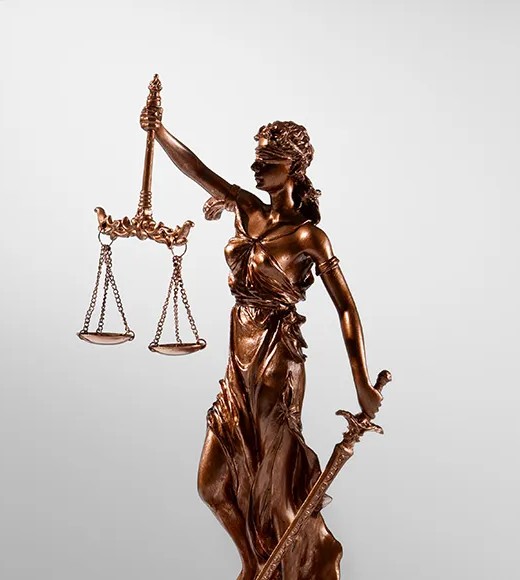
Define law. Explain the various types and sources of law?
Here we learn the topic Define law. Explain the various types and sources of law? in detail
Law is a set of rules that govern human behavior and that the state enforces. Law is in fact a social inevitability. It is found in various societies. Even primitive and undeveloped society have a law. Through various institutions, the State exercises the control over the society. Normally the true law includes all rules and regulations, directions and orders of established authority. It is not possible to violate them and those who violate them are liable to face consequences.
Here we learn the topic Define law. Explain the various types and sources of law? in detail
Maciver and Pages have defined law in the following words
Law is a body of rules that courts of the State recognize, interpret, and apply to particular situations. It derives from various sources, including customs, but it becomes law without the State, which means that courts are prepared to enforce them. Law is a rule binding on the citizens and residents within its jurisdiction. “
Hobel has defined law as follows
“The law is social norm, infraction of which is sanctioned in threat or in fact by the application of physical force by a party possessing the socially recognized privilege of so acting.”
Max Weber has defined law in following way
Law is an order, the validity of which is guaranteed by the probability that deviation will be met by physical or psychic sanction by a staff.” Especially empowered to carry out these functions. This staff must have power and power is the probability that in actor an impose, within a social group, his wili even against resistance.”
Max Radien has defined law as quoted below
“After all law is merely a smart part of the mechanism of the social management, closely connected with the mechanism of political administration. Not justice or good society, but convenience of commercial practice, appeasement of individual quarrels and increase of goodwill among the competitors are the purpose of law.”
Here we learn the topic Define law. Explain the various types and sources of law? in detail
Types of Law
After studying the above definitions, we can say that law is a complex and multifaceted field that encompasses various principles and categories. Various social and political thinkers have classified law under following types-
(1) Constitutional Law
Constitutional law establishes the fundamental principles and rules that govern a state or nation. The State itself is guided by Constitutional Law. This law determines the relationship between the State and the People. It acts as a check on the powers of the State. A Constitution serves as the supreme body of law, providing a foundation for all other laws within a jurisdiction.
Here we learn the topic Define law. Explain the various types and sources of law? in detail
(2) Ordinary Law
It means the laws that is based on the customs and traditions. Legislatures do not enact and frame such laws; instead, they develop as a result of customs and traditions and are accepted by law courts.
Here we learn the topic Define law. Explain the various types and sources of law? in detail
(3) Public Law
Public Law is concerned with the legal relation between the State and the individuals. All the laws relating to the distribution and exercise of power by the state are the part of public law. The law is the basis on which the State carries out its functions. In short, we can say that the law governs the normal functioning of society.
Here we learn the topic Define law. Explain the various types and sources of law? in detail
(4) Private Law
Private law is concerned with the legal relationship and disputes between citizens and regulated personal behaviours of the individuals. These laws laid down and determined rights and duties of individual citizens. Laws of contract, property law, law of torts family law etc. are the examples of property law.
(5) National Law
National law is a set of rules that apply to a specific country or state. It is also known as domestic law. These are the laws that are prevalent within the limits of the territory of a nation. The sovereign authority of that State applies these laws on all these citizens alike and enforces them. All the citizens of the nation accept these laws as rules.
(6) International Law
International law refers to general set of rules and principles that help in resolving International problem like laws of the sea, the dispute between two countries, how to maintain International behavior etc. No State or authority enacts these laws. They are based on mutual consent and good-will.
(7) Administrative Law
Administrative law refers to the laws on the basis of which the government administers. Administrative law is the body of law that governs the regulations of government agencies at the federal and state level. The administrative law determines the organization, power and duties of administrative authority.
Here we learn the topic Define law. Explain the various types and sources of law? in detail
Sources of Law
Sources of law means origin of law from which the develops. There are various from which we derive law. The most common sources of law are as follows
(1) Customs and traditions
Every society has certain customs and traditions which regulate the behaviour and life of the members of the society. On the basis of these customs and traditions, the laws are framed by the State. That is why MacIver has said that the most of the laws codified by the State are not its gift. They are already present in the society and the State only deletes some and codifies others.
(2) Religion
Religion is another source that guides and regulates the behaviour of the individuals.Society and the state recognise it. The state frames and enacts laws on the basis of religion.. Typical example of the religion acting as a strong source of law is ‘Muslim Personal Law,
(3) Judicial Decisions
In most of the countries, judicial decisions are authoritative and develop into sources of law and know as ‘case law’. These decisions are helpful in solving the problem of future. Many of the decisions of higher court such as High Court and Supreme Court etc. become law not only for lower court but also for other members of the society. Sometimes on the basis of these decisions laws are enacted and framed by Government and other agencies.
Here we learn the topic Define law. Explain the various types and sources of law? in detail
(4) Scientific Commentaries
Jurists and other scholars write certain commentaries on certain laws. In these commentaries they bring out the facts inherent in the law to light. In the beginning, lawyers and other persons interested in law use them for their own purposes but later on these are accepted by courts and become law. The scientific commentarics relate to certain principles serve as an important source of law.
Here we learn the topic Define law. Explain the various types and sources of law? in detail
(5) Constitution
A country’s Constitution is a set of fundamental ground rules setting out the powers of the different branches of government (i.e. executive, legislative and judicial ) and how these entities operate and interrelate. The Constitution may also set out basic principles, such as fundamental freedoms and rights. In Civil Law systems these rules are usually embodied in “Codes”. A Constitution overrides any other source of law and it is usually highly difficult to amend. There may be a separate judicial court which considers constitutional issues.
Here we learn the topic Define law. Explain the various types and sources of law? in detail
(6) Legislation
Legislation is the second key source of law and usually takes priority over sources of law other than the Constitution. In the modern society legislation is the most important source of law. In democratic societies, it represents the will of the people. Legislators comprise of the representatives of the people and in order to meet the needs of the society, they enact various types of legislations which are recognized as law.
Here we learn the topic Define law. Explain the various types and sources of law? in detail